Borrowed Wardrobes and Expired Passions: The Subscription Takeover of American Identity
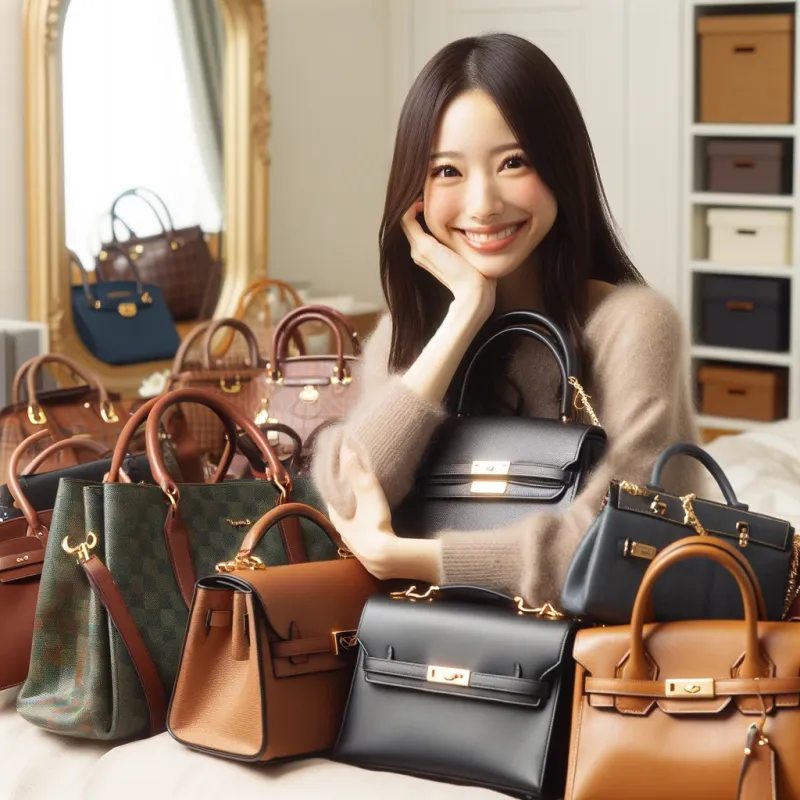
Photo: young woman luxury handbag rental subscription closet, via www.counsel-labo.com
There's a specific kind of math happening in a Brooklyn walk-up right now. A 26-year-old is paying $89 a month to carry a bag she doesn't own, $40 a month for a craft kit that arrived with an expiration date, and somewhere north of $60 for a rotation closet app that decides what she wears before she does. She's not rich. She's subscribed.
Welcome to the rented life — the quiet migration from ownership to access that has turned an entire generation's identity into a monthly billing statement.
The Closet That Never Closes
Luxury rental used to be a wedding-guest hack. You needed one knockout dress for one night, you borrowed it, you returned it, done. Now it's a lifestyle. Services like Rent the Runway and a wave of bag-lending startups have normalized the idea that your handbag — historically the most committed relationship in fashion — should rotate out every thirty days like a Netflix queue.
The pitch is seductive. Why sink $3,000 into a quilted shoulder bag when $150 a month gets you a rotating roster of them? You're not buying a bag; you're buying options. And options, in 2020s America, are the closest thing we have to a universal currency.
But here's the wrinkle nobody puts on the pricing page: a rotation closet means you never actually settle. The signal you're sending isn't "I have great taste." It's "I have great taste for now, subject to change."
Hobbies With a Churn Rate
The rental logic didn't stop at accessories. It colonized leisure itself.
Scroll any subscription marketplace and you'll find monthly pottery kits, quarterly sourdough boxes, wine clubs, candle-pouring memberships, book subscriptions with themed merch. Each one arrives with the implicit promise of transformation — this is the month you become a person who makes things.
Except these kits are designed like gym memberships: built for the fantasy of the new you, not the maintenance of the current one. The craft box that shows up in month four, unopened, isn't a failure of willpower. It's the product working as intended. Subscription businesses live and die on churn, and the hobby box is churn with a hot glue gun.
What's genuinely new here isn't the disposability — Americans have always bought stuff they didn't use. It's that the hobby itself is now a curated aesthetic category. You don't take up ceramics; you enroll in a ceramics era. And eras, as we've all learned from pop star album cycles, end.
Access Over Ownership, or Debt Over Substance?
The generous read of all this is environmental and economic sanity. Fast fashion is a landfill crisis; rotating one garment among dozens of users is arguably the more ethical flex. Renting a $2,000 bag you'd otherwise buy and abandon is, on paper, a win for your wallet and the planet.
The less generous read: nobody's actually saving money. Run the numbers on a year of bag rentals and you'll often find you could have bought the bag. Run the numbers on a year of hobby subscriptions and you've paid for a community college course in something you never practiced. The rental economy doesn't sell thrift. It sells the feeling of thrift while charging premium prices for it.
And there's a deeper cost, one that doesn't show up on any statement. Ownership, for all its clutter and commitment, forces decisions. You buy the bag, you live with the bag, the bag becomes part of your story. Rental identity is identity without consequences — a self that never has to commit to being any particular thing long enough for it to stick.
The Flex That Isn't
Older generations read this as financial illiteracy. But talk to the renters themselves and you hear something more interesting: a generation that watched their parents drown in mortgages and storage units, and concluded that ownership is a trap with better marketing.
In that light, the rented life isn't shallow. It's a hedge. If the economy wobbles, you cancel. If your taste changes, you swap. Flexibility is the only asset that's appreciated in value for this generation, and they're spending accordingly.
Still, there's something a little melancholy about a life where nothing is yours — not the bag on your arm, not the hobby on your shelf, not even the version of yourself you presented last quarter. At some point, the subscription ends. And when it does, you'd better hope there's an actual person underneath all that access.
Otherwise you're just a really well-dressed free trial.