The Breakup Outfit Was Never Yours — It Was Always the Algorithm's
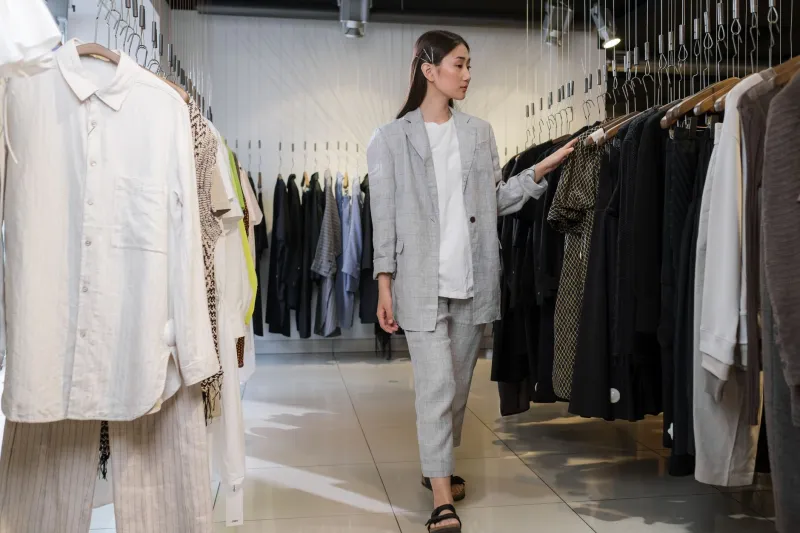
The timeline is almost too precise to be accidental. You change your relationship status, or you post something vague and sad, or you simply stop appearing in couple photos — and within 72 hours, your phone is serving you ads for linen sets, leather jackets, and gym memberships with the tagline invest in yourself. The algorithm didn't read your diary. It didn't have to. It just knows what emotional inflection points look like in data, and it's been waiting for yours.
This is the reinvention economy: a multi-billion-dollar machinery built on the premise that personal transformation is not only desirable but purchasable — and that the most fertile ground for a sale is the moment right after your life falls apart.
Emotional Volatility Is a Market Condition
Retail has always understood seasonality. Back-to-school, holiday gifting, summer swimwear — these cycles are so deeply embedded in American consumer culture that we barely notice them anymore. What's newer, and considerably more sophisticated, is the industry's ability to identify and target personal seasonal moments: the breakup, the job change, the cross-country move, the birthday that hit differently than expected.
The data infrastructure that makes this possible is staggering. A 2023 investigation by The Markup found that major retail platforms and their advertising partners track behavioral signals — changes in browsing patterns, shifts in search terms, engagement with certain content categories — to infer emotional states and serve ads accordingly. You don't need to announce your breakup for a fast fashion brand to figure out you might be in the market for a new identity.
And the fashion industry, more than almost any other sector, has built its entire aspirational language around the idea that clothes are transformation. Not just style. Not just protection from the elements. Transformation. The new dress doesn't just fit your body — it signals who you're becoming. Which means any moment when who you are feels unstable is, commercially speaking, an opportunity.
The Glow-Up Industrial Pipeline
Influencer culture didn't create the breakup makeover, but it industrialized it. The narrative arc is so familiar now it's practically a genre: the tearful, vague post about something ending, followed by a conspicuous silence, followed by the Return — new hair, new fits, new energy, often with a sponsored product woven seamlessly into the transformation story.
What this content does brilliantly is collapse the distinction between genuine emotional processing and brand partnership. When a creator documents their post-breakup wardrobe refresh, they're not just selling clothes — they're selling the idea that buying clothes is how you process a breakup. The purchase and the healing become the same gesture. The credit card swipe is the therapy.
Brands have become expert at funding and amplifying this content precisely because it's so effective at normalizing shopping as emotional labor. A 2022 report from influencer marketing platform Influencer Intelligence noted that "life transition" content consistently outperforms standard lifestyle content in engagement and conversion rates. Your pain is, quite literally, their best-performing content category.
The Seasonal Calendar of Your Worst Moments
Zoom out further and the pattern gets even more deliberate. January is the breakup month — statistically, it's when relationship dissolution peaks in the US, a fact the fashion and fitness industries have known and planned around for years. New Year, new you, new wardrobe. Valentine's Day marketing runs on two tracks simultaneously: the couple's track and the treat yourself track, the latter aimed squarely at the newly single.
Spring collections drop just as people are emerging from winter and feeling the urge to shed — their coats, their old selves, their situationships. Summer is the body anxiety season, which the swimwear industry has monetized with almost clinical precision. Fall brings the annual soft life reset content cycle. And the holidays deliver the double-edged sword of family pressure and end-of-year reflection, both of which reliably drive impulse purchases.
The fashion calendar and the emotional calendar have been synchronized so completely that it's nearly impossible to feel a personal turning point without a retail solution appearing in your peripheral vision, perfectly timed.
When Reinvention Becomes a Debt Cycle
There's a real cost to all of this that rarely gets discussed in the glow-up content. The average American carries over $6,000 in credit card debt, and emotional spending — purchases driven by stress, grief, anxiety, or the desire for control during chaotic moments — is a documented contributor to that figure.
The reinvention economy is particularly skilled at framing these purchases as investments rather than expenses. You're not spending — you're investing in your next chapter. The leather jacket isn't an impulse buy; it's a statement of intent. This reframing is psychologically powerful and financially devastating for people who take it literally and charge their transformation to a card they'll be paying off long after the emotional moment has passed.
The irony is almost too neat: the industry profits from your instability, sells you the tools of a new identity, and then profits again from the financial anxiety that purchase creates.
Reclaiming the Pivot
None of this means you shouldn't buy the jacket. Personal style is genuinely expressive, and there's nothing inherently wrong with marking a life change with something new. The problem isn't the purchase — it's the manufactured urgency, the algorithmic pressure, and the cultural messaging that makes reinvention feel impossible without retail participation.
Real style evolution — the kind that actually reflects who you're becoming rather than who an algorithm thinks you should buy into — tends to be slower, stranger, and considerably cheaper than the glow-up content suggests. It involves wearing what you already own differently. It involves thrifting, borrowing, sitting with the question of what you actually like versus what you've been told to want.
The breakup outfit that's actually yours probably isn't the one that showed up in your ads three days after things ended. It's the one you found six months later, in the back of a thrift store, when you'd stopped looking — and it fit like you'd always owned it.
The algorithm can't plan for that. Which is exactly why it's worth protecting.

